Planning a Safari that Feels Real

To plan a safari for the very first time is to step into a space of quiet anticipation. You pack your dreams into oversized duffels and look for a five-star outpost at the river’s edge—the reassurance of a brand name, climate control that tames the meridian sun, and thick glass to hush the vibrant night.

Ishara is the exact opposite. It is an undoing; an invitation to remember what you forgot you knew.

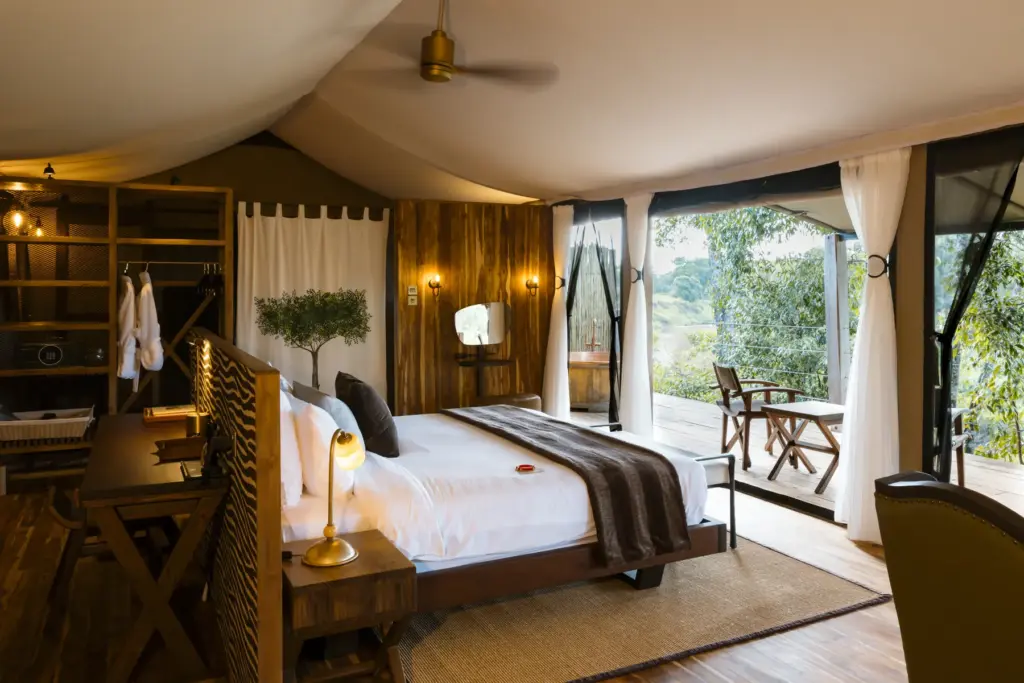
The moment you arrive, the thin, brittle illusion of separation completely dissolves. There are no concrete walls here to keep the universe at bay. Instead, you are met by the tactile warmth of canvas, natural fabrics, and local craftsmanship that bows to the earth rather than attempting to conquer it. You realise, with a sudden, vivid clarity, that a meaningful life is not measured by what you can lock away, but by what you are willing to let in. Here, your days do not sit politely alongside the wilderness; they become part of it—shaped by small, personal touches, and the lingering presence of those who’ve walked these paths before.

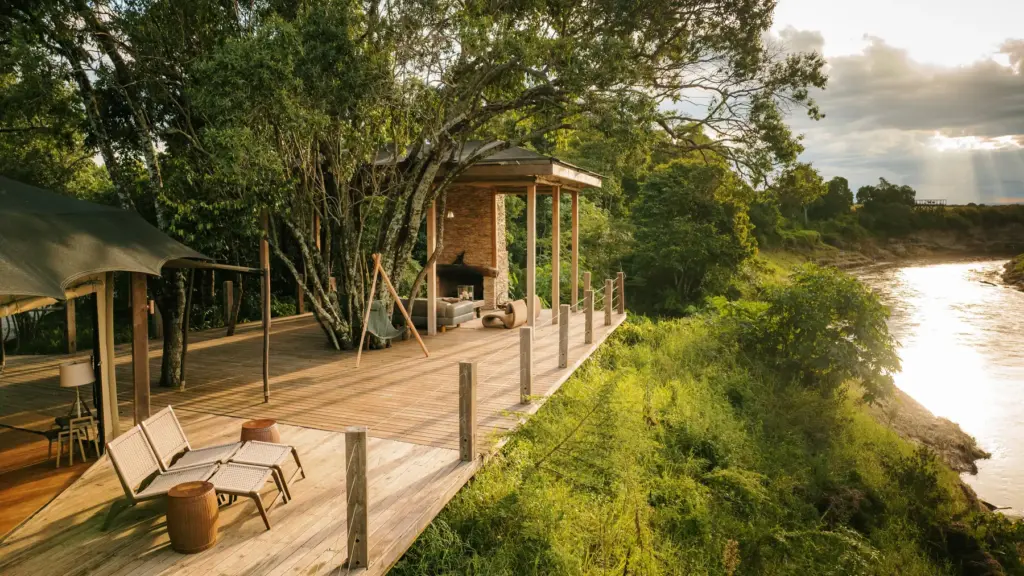
A standard resort treats the room as a vault, a sealed destination where the world is reduced to a scenic backdrop. At Ishara, the camp is merely a gentle pause in an infinite, breathing landscape—canvas and breeze shifting in a perfect, unhurried choreography with the Mara.

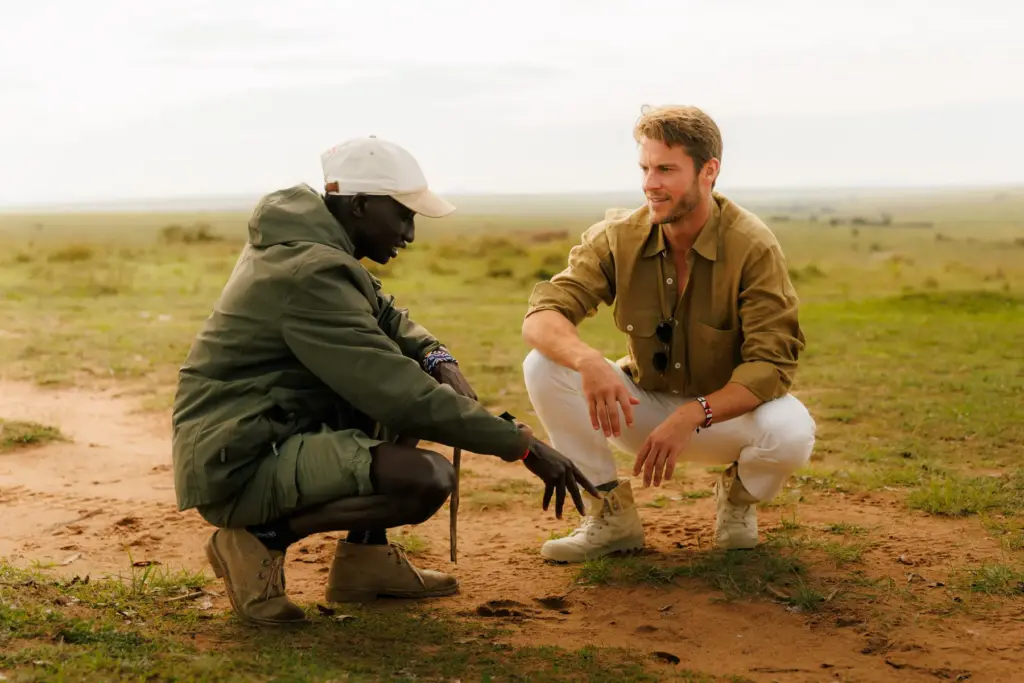
It is easy to view a safari as a checklist of sightings, a frantic pursuit for proof that you were here. But the true magic of this place lies entirely in learning how to see. Our guides are the keepers of the land’s oldest secrets—not merely trackers, but storytellers who read the signs like an illuminated manuscript.

When the day’s dust settles, you come back to a homecoming that feels quietly fated—as though a few days here have revealed an older familiarity—that you’ve been here before, in some other life or another time, and that something in you has simply remembered.

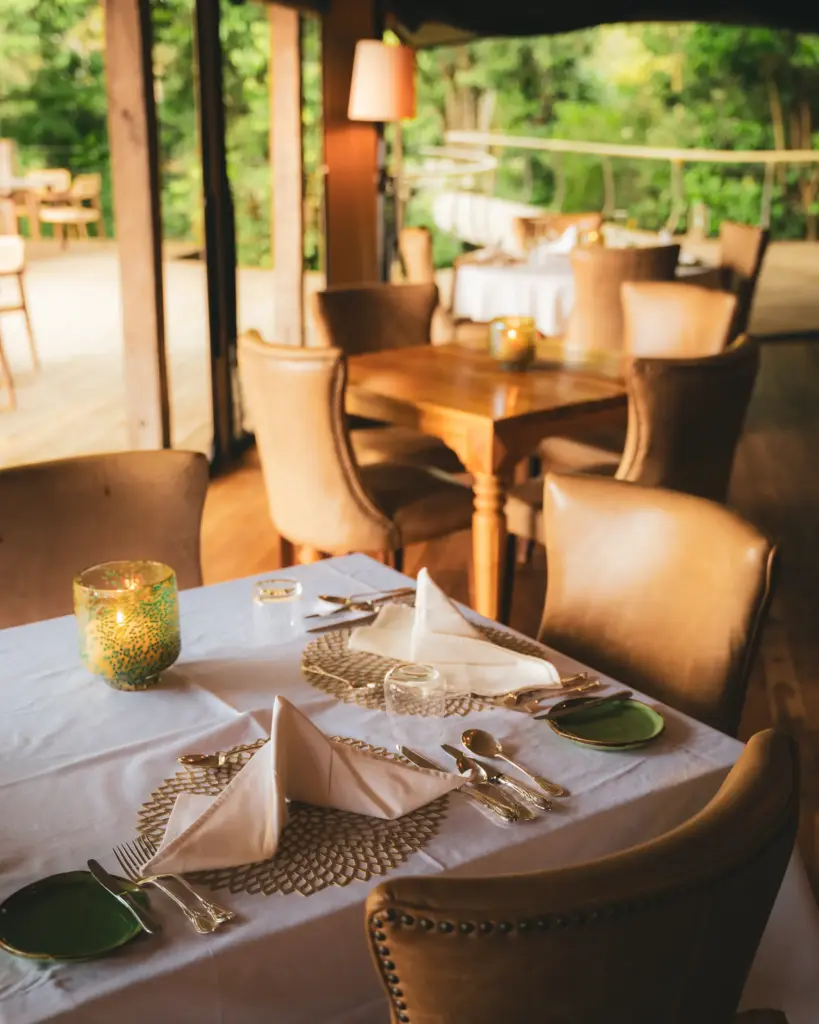
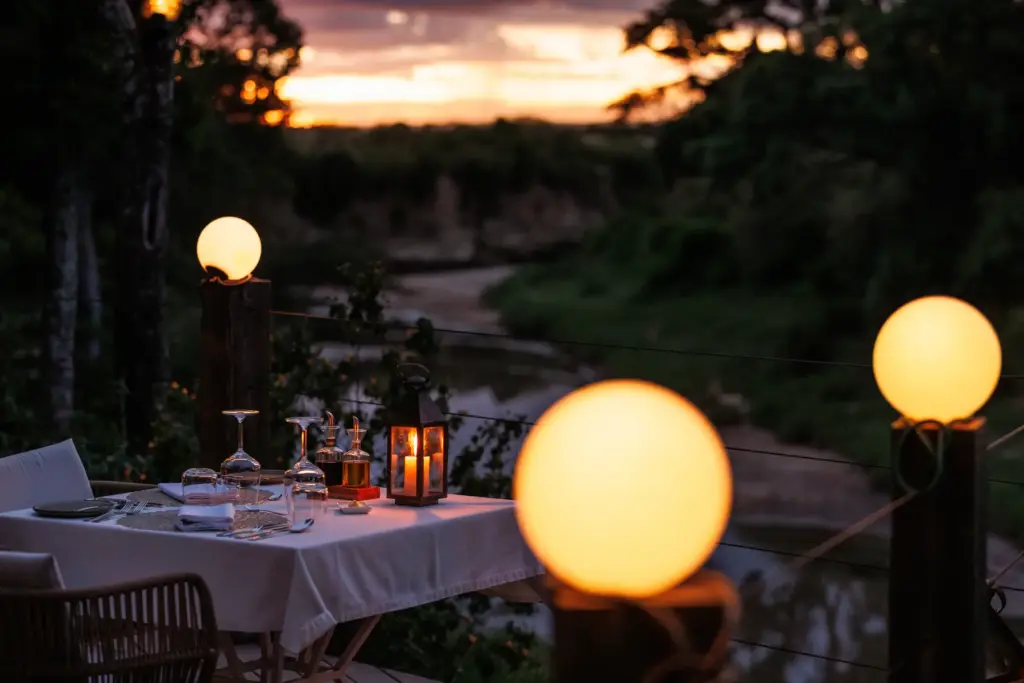
Meals are crafted from the heart and placed where the setting does half the storytelling—the river below, the forest around you, a fierce spread of stars overhead. It’s not just what’s on the plate; it’s the enchantment of knowing that this moment was meant only for you.

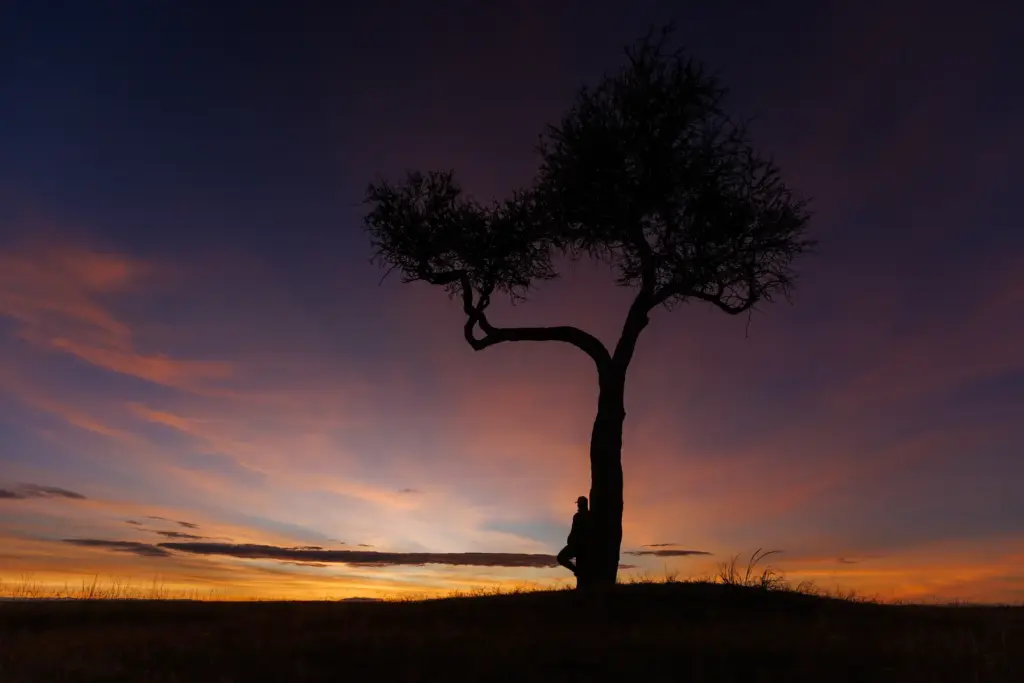
As evening descends, the sky opens up like a book of questions, while the mind finally has the quiet to sit with them. Without the artificial hum of an air conditioner, the night answers in its ancient voice and the wild becomes a grand, unscripted theatre of sound. In that wide night, meaning isn’t explained, it’s felt—and happiness comes softly, as if it’s been there all along.

Our lives are often spent moving at a pace that leaves our souls scrambling to catch up. To stay here is to shed the heavy, metallic armour of deadlines and digital noise, surrendering instead to an acute sensory revival. The greatest luxury Ishara provides is the space to slow down the inner rush, and the rare, fleeting privilege of absolute presence. Time loses its linear grip, offering a silence so absolute that you can finally hear your own thoughts.

Ultimately, a hotel provides accommodation, but Ishara provides an awakening. Authentic luxury is not found in gold fixtures or manicured, dead perfection; it lives in the raw, honest, and transformative power of nature, met with genuine human connection. This is what people are truly searching for when they look toward Africa. It is the breathtaking realisation that the highest form of travel is not to be insulated from life, but to be completely, unforgettably immersed within it.

Photo credits: Japheth Supeyo, Joseph Njenga, Matthew Huntley, Eric Averdung, Nikita Rix, Imara Njeri

Share the story